Hospitality
When a hotel needs to feel remembered.
Sophie Laurent
Hospitality Lead
June 8, 2026 · 07 min read
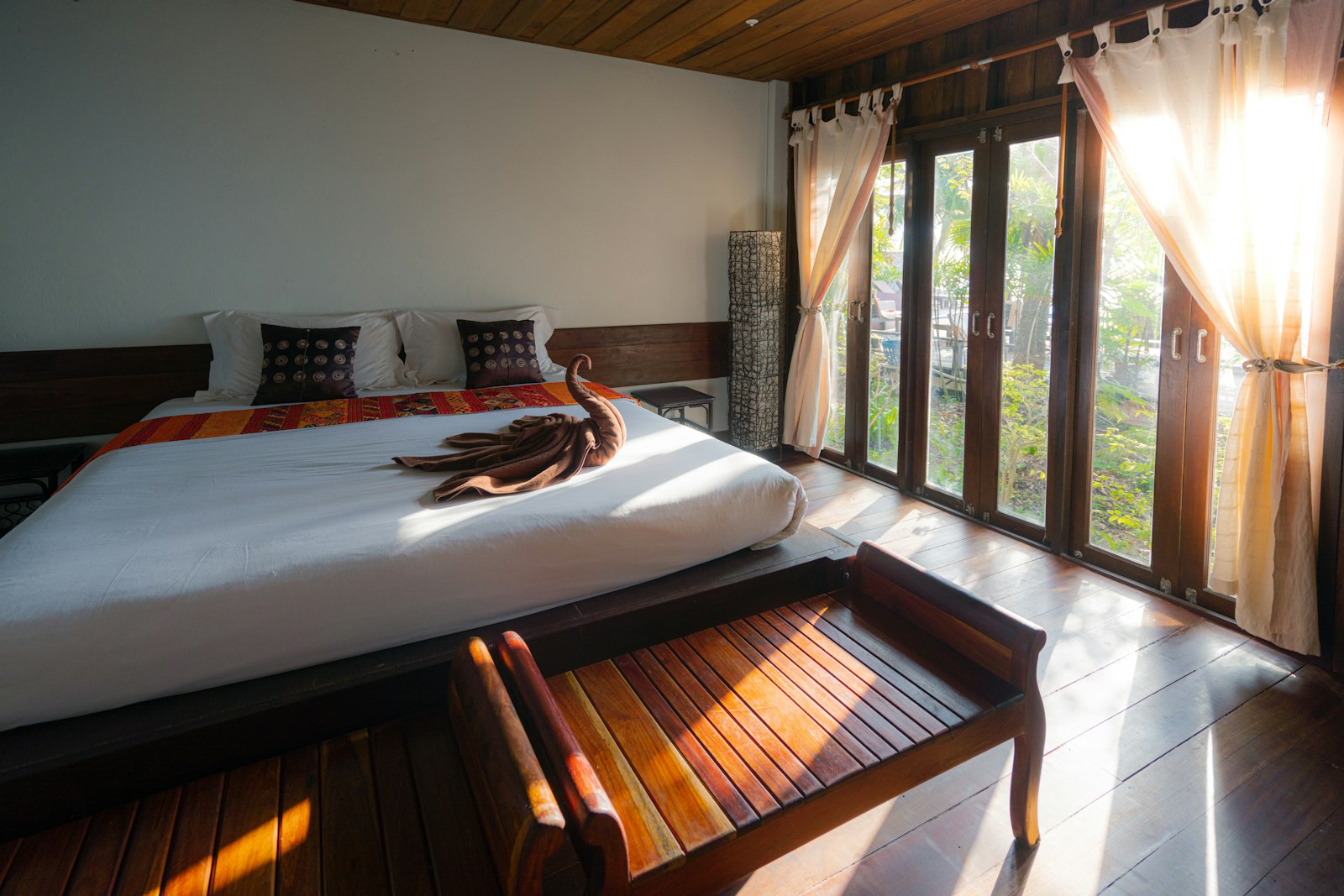
On building guest rooms that land like private residences, with enough character to stay in memory after checkout.
Ask a frequent traveller to describe their last five hotel rooms and you will hear one room described five times: pale, efficient, forgettable. The industry perfected the room that offends nobody and moved on. We believe that was a wrong turn — and the occupancy figures agree with us.
A memorable guest room behaves like a private residence that happens to offer breakfast. It has one strong decision instead of twelve safe ones: a fireside, a bath with a view, a desk positioned for the morning sun. Guests do not remember thread counts. They remember the chair they read in until midnight.
“Guests do not remember thread counts. They remember the chair they read in until midnight.”
Our method is to design the evening first. Business travel is lived between six and eleven pm, so we compose the room backwards from lamplight: low, warm, layered, with a single brighter pool for reading. The morning then takes care of itself — blackout linings, a blind that opens to the view, coffee within four steps of the bed.
Durability is the hidden discipline. A hotel room is cleaned three hundred times a year, which ends most residential thinking in month two. We detail like shipbuilders: solid thresholds, replaceable bedheads, stone that shrugs off suitcases. Beauty that cannot survive housekeeping is not hospitality design; it is photography.
The test is simple. Six months after checkout, can the guest describe the room to a friend? Our suites pass it. The pale efficient ones never will.
Sophie Laurent
Hospitality Lead — writing from the hospitality table at the Milan atelier.